December 2025; Evidence-Based Health & Fitness Insights


December 2025; Evidence-Based Health & Fitness Insights
What the Latest Research Is Telling Us About Resistance Training, Mental Health & Performance
There’s been a lot of new research in strength and conditioning, and it’s giving us clearer insight into how and why resistance training works — not just for muscles, but for the brain and long-term health too.
Muscle Growth & Strength — What Actually Happens
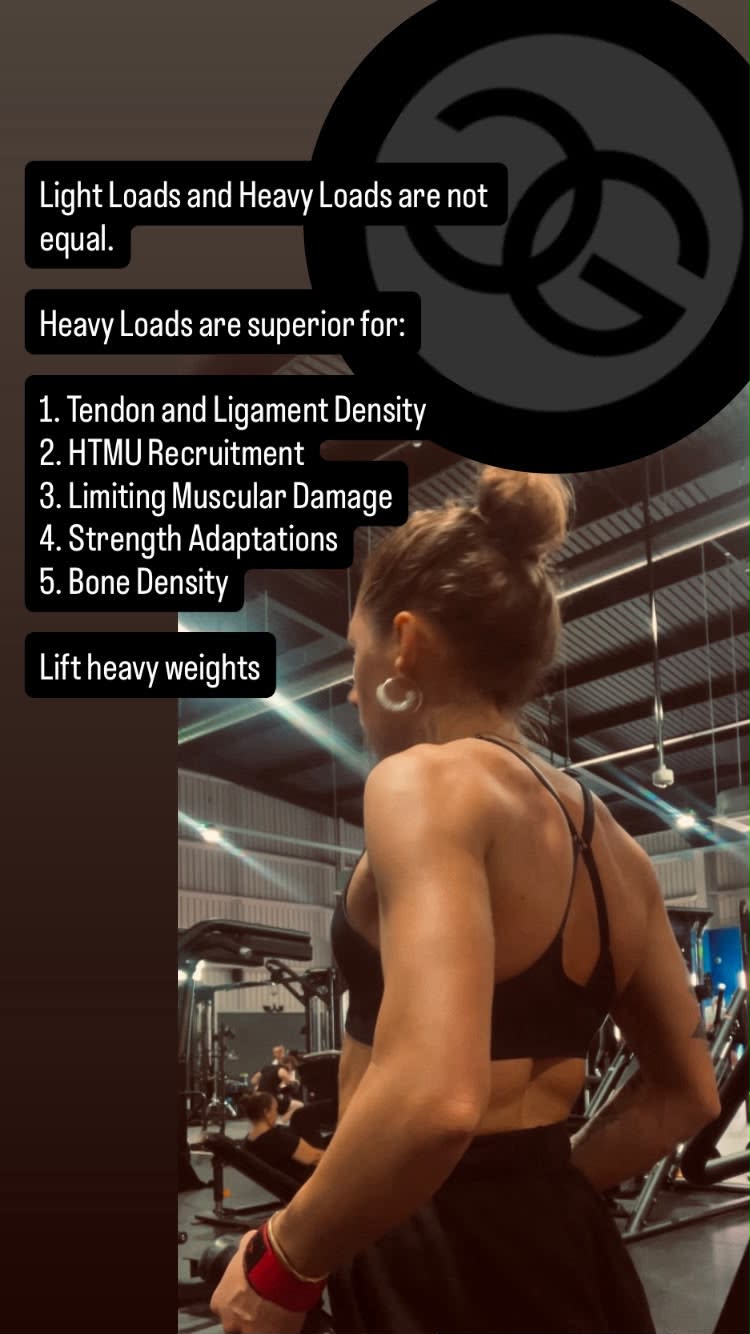
A big question in strength science has been whether human muscles grow by adding new fibres (hyperplasia). The latest evidence suggests that, in humans, muscle growth mainly comes from existing fibres getting bigger, not new ones appearing. That means our traditional programming fundamentals — progressive overload, volume, intensity — still matter most.
Advanced Training Methods – When They’re Useful
New reviews confirm that techniques like accentuated eccentric loading and cluster sets can be effective tools for increasing strength and power. However, these methods place extra demand on the nervous system and mechanics of movement, so they’re best used thoughtfully and after establishing strong basics.
Interestingly, the idea of aligning training phases with menstrual cycle hormones — something a lot of coaches talk about — still doesn’t have solid evidence backing it as a universal strategy.
Resistance Training & Mental Health
Perhaps the most exciting updates relate to wellbeing. Multiple studies show that resistance training isn’t just good for the body — it’s also effective at improving mood and reducing symptoms of depression. This lines up with growing research around mindful movement practices like Tai Chi too.
And it’s not just the lifting itself that matters. The quality of the coach-athlete relationship — support, autonomy, a sense of connection — has a big impact on motivation, engagement, and long-term consistency.
Nutrition, Supplements & Recovery
On the nutrition front, research continues to support the use of creatine monohydrate for strength gains. Newer studies even show it doesn’t negatively impact sleep — and might help cognitive performance too.
Carbohydrate intake during long workouts still plays a key role in sparing muscle glycogen, and collagen peptides are showing benefits for tendon stiffness and explosive strength when paired with the right training. Some emerging supplements like Urolithin A look promising for recovery and mitochondrial support, but we need more data before recommending them widely.
Sex Differences & Hormonal Responses
We’re also seeing more nuance in how training affects different bodies. For example, elite female athletes have shown signs of acute adrenal stress after heavy training — underscoring how important recovery and load management really are. And while personalised programming is clearly valuable, there’s not yet enough evidence to prescribe training based strictly on menstrual cycle phases.
AI in Coaching — Useful but Not the Whole Story
Lastly, there’s growing interest in using tools like AI to help design training programs. These tools can be a great assistant, but they still can’t replace the judgement and context provided by a qualified coach — especially when it comes to safety, progression, and individual needs.
Bottom Line
Recent research reinforces what we’ve long suspected:
✔ Strength training builds muscle mainly through fibre growth, ✔ Advanced methods can help but don’t replace fundamentals, ✔ Resistance training improves mental wellbeing, ✔ Good coaching relationships matter just as much as programming, ✔ Nutrition and recovery strategies should be personalised, ✔ And AI is a tool — not a replacement — for human expertise.
Train smart, stay strong.
Want help building a plan that fits your life (and your energy levels)? Let’s chat.
Train smart, stay strong.
— CGC; Camille Certified Exercise Specialist | Human First, Coach Second